Source Urine Drug of Abuse Test Kits for Workplace and Clinical Use
Compare 30 urine drug of abuse test options featuring colloidal gold rapid detection, high accuracy rates, and CE/FDA certifications. These IVD reagents support early screening for workplace safety, clinical diagnostics, and home monitoring with reliable 2-3 minute results; compare the available evidence and request quotations based on your requirements.
Key considerations
Products List




Comprehensive Sourcing Guide
Urine Drug of Abuse Test Sourcing Guide
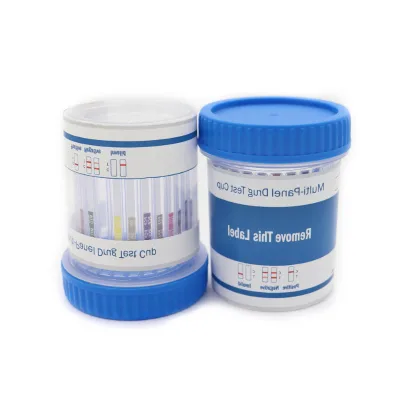
Buyers must first distinguish between rapid screening formats and comprehensive laboratory reagents when evaluating the market. The available inventory includes colloidal gold-based panel tests designed for immediate visual or machine-assisted reading, alongside specialized reagents for specific analytes like THC. Understanding whether the procurement need targets a high-throughput screening environment or a point-of-care setting is essential before selecting a specific model number or format.
The observed product range spans from simple cup-and-panel configurations to more complex strip-and-bottle systems that require specific handling protocols. Sourcing decisions should prioritize the intended specimen type, which is consistently identified as urine across the listed items, and the required result time, which varies from seconds for rapid strips to minutes for panel-based assays. This distinction directly impacts the operational workflow and the speed of decision-making in clinical or workplace testing scenarios.
Product Scope and Observed Listing Signals
Procurement teams should verify the specific model designation to ensure alignment with the required drug panel scope. Listings indicate models such as SG-051 and THC-DU02, which suggest targeted testing capabilities for specific substances rather than a generic single-use strip. Buyers must confirm that the selected model covers the exact panel of drugs required for their compliance program, as the "Multi-Drug Test Panel" designation implies a broader scope than single-analyte kits.
Packaging and storage requirements present another critical signal for operational planning. The data shows a mix of carton-only packaging and customized options, with some items requiring a bottle-and-carton combination for stability. Storage conditions are generally specified as room temperature, but the shelf life varies between 24 months and two years, necessitating careful inventory management to prevent degradation of the reagents before use.
Technical Specifications to Verify
Accuracy rates are a primary technical differentiator that buyers must scrutinize before finalizing a purchase order. The observed data presents accuracy figures ranging from 97.7% to 99.7%, indicating that not all products offer the same level of diagnostic reliability. Procurement specifications should explicitly require the higher accuracy tiers for critical compliance testing, ensuring that the risk of false positives or negatives remains within acceptable operational limits for the organization.
Reaction and result times define the efficiency of the testing workflow and must match the throughput needs of the facility. While some rapid tests claim reaction times of 5-10 seconds, the actual result readout may take up to 15 minutes depending on the format. Buyers need to align these technical parameters with their staffing capabilities, ensuring that the 2-3 minute readout for certain panels or the longer wait times for others do not create bottlenecks in the testing process.
Compliance and Safety Documentation
Regulatory certification status is a non-negotiable prerequisite for any IVD reagent intended for commercial or clinical use. The market listings reference CE and FDA certifications, alongside ISO standards, which serve as the baseline for market entry and legal compliance. Buyers must request current, verifiable copies of these certificates to confirm that the specific batch or model being sourced meets the regulatory requirements of the destination market.
Sterilization and material safety are equally critical components of the compliance framework. The products are noted as being without ethylene oxide sterilization, which is standard for many rapid test kits but requires confirmation that the materials, such as medical-grade ABS plastic, meet safety expectations. Procurement teams should verify that the manufacturing origin, often cited as China or specifically Hangzhou, adheres to the quality management systems implied by the stated certifications.
Cost Drivers and Commercial Terms
Minimum Order Quantities (MOQ) represent a significant variable in the total cost of ownership and inventory planning. The observed MOQ range spans from a single unit to 10,000 units, allowing flexibility for small clinics while potentially offering volume discounts for large-scale distributors. Buyers should negotiate based on their projected consumption rates to avoid overstocking perishable reagents or facing stockouts due to high minimum thresholds.
Lead times and delivery schedules directly influence the continuity of testing operations and supply chain resilience. The data indicates a delivery window of 3-5 days for certain items, suggesting a responsive supply chain for standard orders. However, buyers must account for potential variations in lead times during peak demand periods and clarify whether the quoted price includes all logistics costs or if shipping is an additional line item in the commercial agreement.
Supplier Qualification and Quality Control
Warranty periods and quality guarantees provide a safety net for procurement against manufacturing defects or premature product failure. The listings show warranty terms ranging from two to three years, which is unusually long for consumable reagents and suggests a high level of confidence in product stability. Buyers should clarify the specific conditions under which these warranties apply, including whether they cover storage-related degradation or only manufacturing faults.
Customization capabilities, such as OEM branding and logo printing, allow organizations to maintain brand consistency in their testing programs. The availability of customized packaging and branding options indicates that suppliers are willing to adapt their standard offerings to meet specific corporate requirements. Procurement teams should verify the feasibility and cost implications of these customizations, ensuring that the added value does not compromise the core integrity of the test kit.
Long-Term Procurement Checks
Shelf life management is a critical long-term consideration for maintaining the efficacy of drug testing supplies. With shelf times ranging from 24 months to two years, buyers must implement a first-expiry-first-out inventory strategy to ensure that reagents are used while still within their valid period. Regular audits of stock levels against expiration dates are necessary to prevent financial loss and ensure that testing results remain accurate over time.
Continuous verification of supplier performance and product consistency is essential for maintaining a reliable supply chain. Buyers should establish a schedule for re-validating certifications and reviewing quality reports, especially given the variation in accuracy rates and technical specifications observed in the market. Building a relationship with suppliers who offer consistent quality and transparent communication will mitigate risks associated with product variability and regulatory changes.
FAQs
What is the accuracy rate for these urine drug tests?
The accuracy rate for these urine drug tests is typically 99.5% or higher, with some models reaching 99.7%. This high precision ensures reliable detection of drug metabolites in urine specimens using colloidal gold rapid test methods for accurate results.
How long does it take to get test results?
Most urine drug test kits provide results within 2 to 3 minutes, while some specific models may require up to 15 minutes. The rapid reaction time allows for quick screening decisions in clinical or workplace settings without waiting for laboratory analysis.
Can I customize the packaging and logo for these tests?
Yes, customization is available for both packaging and logo printing. Buyers can choose between standard cartons or customized packages, and options include OEM branding or no logo printing depending on specific procurement requirements and brand identity needs.
What certifications do these drug test kits hold?
These drug test kits hold CE and FDA certifications, ensuring compliance with international safety and quality standards. Some products also carry ISO certification, providing assurance of quality management systems and regulatory adherence for medical grade diagnostic reagents.
What is the shelf life of these urine drug test kits?
The shelf life of these urine drug test kits is generally two years or 24 months when stored correctly. They should be kept at room temperature between 4 to 30 degrees Celsius to maintain stability and ensure accurate performance until the expiration date.
Which models are available for multi-drug screening?
Available models include the SG-051, THC-DU02, and MDDP-DU62, designed for various drug detection panels. These models support panel or cup formats and can detect specific parameters like THC, making them suitable for comprehensive urine drug of abuse screening programs.
What is the minimum order quantity for these tests?
The minimum order quantity ranges from 1 to 10,000 units depending on the specific product model and supplier terms. This flexibility allows buyers to place small trial orders or large bulk purchases while maintaining cost-effectiveness for their procurement needs.
How quickly can orders be delivered after placement?
Orders can typically be delivered within 3 to 5 days after confirmation, depending on stock availability and shipping logistics. This fast lead time ensures that buyers receive their urine drug test kits promptly for immediate deployment in testing facilities.